
Austin, Texas · the tech economy
Read where Austin tech is actually heading
Austin's tech story got told in two cartoons: the endless boom, and the bust that was always about to arrive. The truth is messier and more interesting, some bets are compounding, others are cooling fast, and the two are happening at once. This is an honest read of which is which.
The thesis
A boom with an asterisk
For a decade the shorthand was simple: talent and capital left the coasts for Austin, and the city rode that wave into a top-tier tech hub. That migration was real, and the hardware side of it, chip fabrication, AI, defense and autonomy, is still drawing serious, long-horizon money that doesn't unwind in a quarter.
Semiconductors building outAI & defense funding upOffice market under stressVenture pace off peak
But the froth has come off. Downtown office towers that filled themselves in 2021 now carry vacancy and foreclosure headlines; venture rounds are slower and choosier; housing has cooled from its peak. None of that is a bust, it's a market sorting the durable from the speculative. We track both halves here, because reading only one of them is how you get the story wrong.
What's compounding
The bets that are rising
Semiconductors & hardware
The heaviest, most permanent capital in the region is going into chips — Samsung's multibillion-dollar fab north in Taylor, suppliers clustering around it, and a UT-anchored research pipeline. Fabs take years and don't relocate, which makes this the sturdiest leg of the boom.
AI & defense tech
Funding has rotated hard toward applied AI and defense startups, counter-drone systems, autonomy, and the data-center power demand that comes with it. It's where the new rounds are landing, and where Austin is competing with, not trailing, the coasts.
Autonomous vehicles
Austin became the live test bed for self-driving: Waymo, Tesla and others run real streets here. The policy friction is just as real, blocked ambulances, weather pauses, city pushback, which is exactly why it's worth watching rather than cheering.
What's coming off the peak
The parts that are cooling
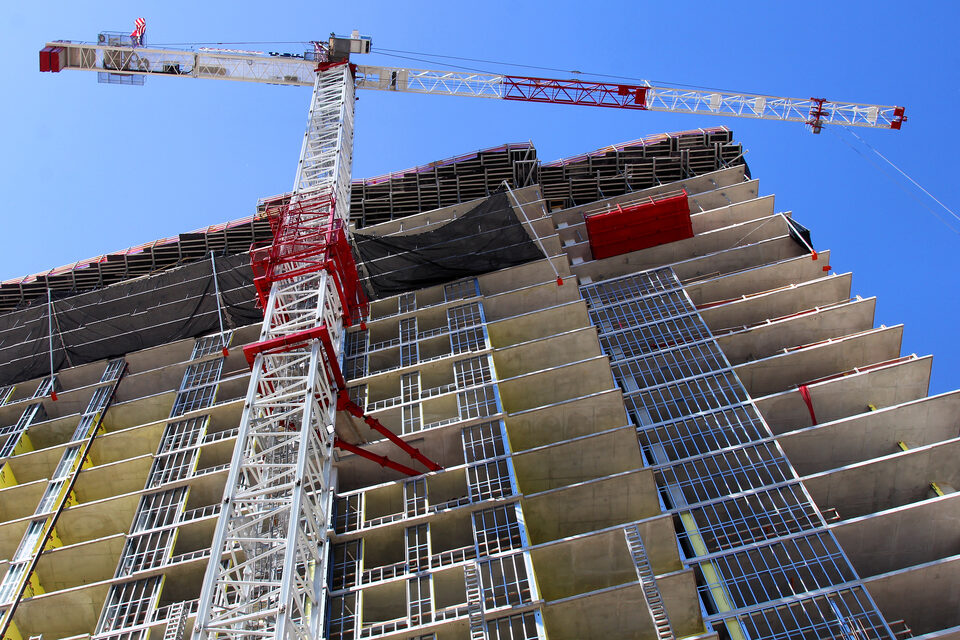
The clearest soft spot is commercial real estate. Downtown saw a wave of foreclosures and distressed sales, hotels, office blocks, retail, as buildings financed in the cheap-money era repriced. Venture funding slowed from its 2021 pace, rounds got smaller and harder to raise, and the "move your startup to Austin" reflex isn't automatic anymore. This is the half of the story the boom narrative skips.
Where the boom actually lands
The geography of growth
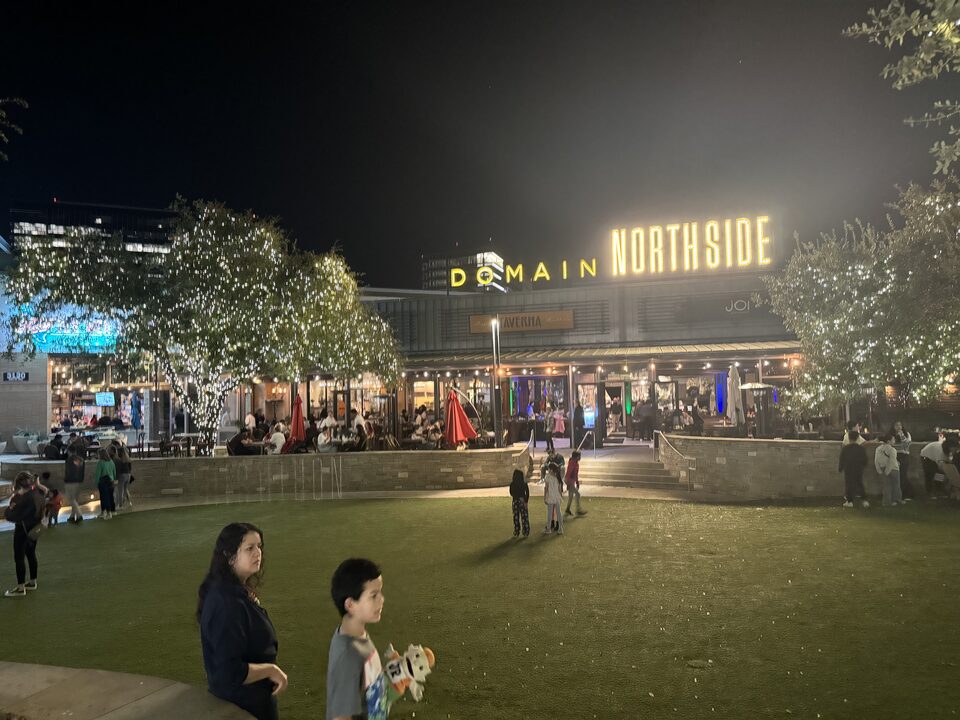
Austin tech isn't one place. The downtown core got the towers and the headlines. The Domain in the north quietly became a second business district, close to where a lot of the workforce actually lives. And the heaviest industrial money, fabs, data centers, logistics, is landing in the ring: Taylor, Hutto, Round Rock and out toward Bastrop. Knowing which corridor a project sits in tells you most of what it means.
Go deeper
How to read the signals yourself
The trends here are built from the daily news record, not vibes. Start with how we weigh what matters, then dig into the sources.
How we read the trends
What counts as a signal versus noise, and why we separate durable capital from speculative froth.
The research desk
Longer analytical pieces on the chip build-out, the AV experiment, and the CRE correction.
Where it comes from
The public record behind the analysis, the reporting and data we track and cite, plainly.
From the news desk
Recent reads on the trend
A few analytical pieces that cut against easy headlines in either direction:
Is the boom fading? What the data shows
A look past the mood at the numbers underneath Austin's slowdown talk.
Venture money bets on Texas
Why some investors are weighting Texas over the Valley, and the limits of that shift.
Reading the cooldown
Where the froth came off, what stayed solid, and how to tell them apart.

The through-line
Follow the trend, not the hype
Austin tech rewards people who read both halves of the story. We keep the analysis current, original, and honest about what we don't know.